Professional Plumbing & Heating Services: Keeping Your Home Comfortable Throughout the Year
Dependable plumbing and heating services serve a critical function in sustaining residential comfort year-round. Problems like leaks or fluctuating temperatures can disrupt daily life. Skilled specialists provide superior system functionality and protection, which is essential for every home. Recognizing when professional help is needed and the significance of scheduled maintenance can create meaningful improvements. What factors should one consider when choosing a provider, and how can they effectively manage unexpected emergencies?
Why Trustworthy Plumbing and Heating Services Are Essential
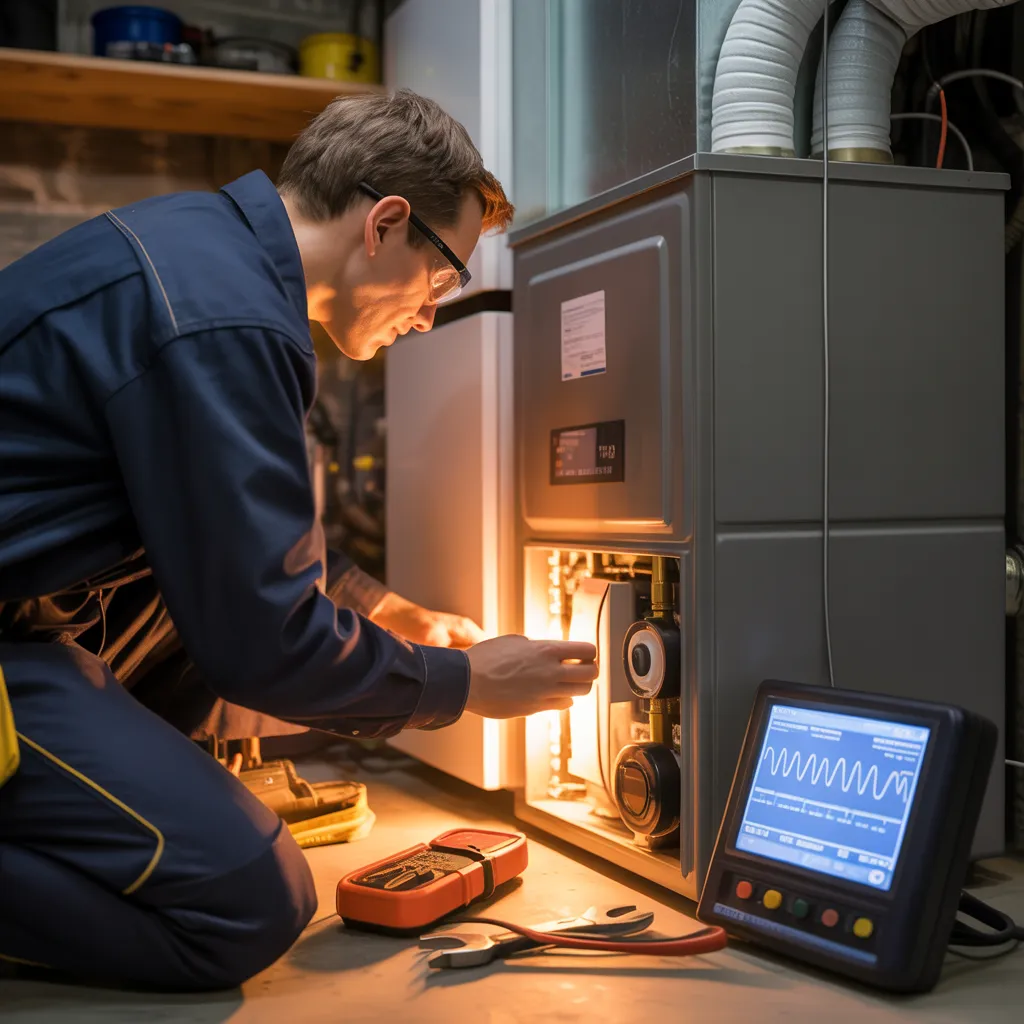
Trustworthy plumbing and heating solutions are essential for sustaining a secure and pleasant living environment. These services guarantee that water systems operate correctly, eliminating leaks and water damage that could undermine structural integrity. Furthermore, reliable heating systems are essential in cooler seasons, offering warmth and comfort while safeguarding against health risks connected to extreme temperatures.
Prompt maintenance and repairs can increase the lifespan of plumbing and heating systems, sparing homeowners from unnecessary replacement costs. Expert services also ensure adherence to safety regulations, minimizing the risk of incidents such as gas leaks or flooding. Furthermore, a well-maintained system enhances energy efficiency, effectively reducing utility bills.
In an era where comfort and security are essential, the importance of trustworthy plumbing and heating solutions should not be underestimated. Relying on these services fosters peace of mind, enabling homeowners to attend to other priorities in their lives without the stress of unanticipated plumbing or heating concerns.
Warning Signs You Need Expert Plumbing and Heating Support
When homeowners notice unexpected shifts in their heating or plumbing systems, it often signals the need for professional assistance. Frequent warning signs involve persistent leaks, which can cause rising utility costs and water damage. Unusual noises from heating units or pipes may also indicate deeper problems that require expert evaluation. Additionally, fluctuating water temperatures or inconsistent heating can signal damaged systems requiring professional repair or replacement.
A sharp spike in monthly bills could suggest inefficiencies in the plumbing or heating systems that need addressing. Residents should also watch out for foul smells, which could indicate sewer problems or gas leaks. Finally, visible corrosion or rust on fixtures can point to degradation that demands urgent attention. Recognizing these signs early can prevent more extensive and costly repairs, ensuring the home remains comfortable and safe year-round.
How to Choose the Right Plumbing and Heating Provider
Selecting the most suitable plumbing and heating provider necessitates thorough evaluation of a number of key factors. Professional experience and knowledge, along with appropriate insurance and licensing, are essential for ensuring exceptional service. Moreover, knowing the variety of service options and packages can help customers reach well-informed decisions that align with their specific preferences.
Skills and Experience
Selecting a heating and plumbing provider necessitates careful assessment of both experience and expertise, as these factors greatly influence the quality of service. A reputable provider typically has a track record that showcases their ability to manage various plumbing and heating issues effectively. Their experience often translates into a deeper understanding of common problems and practical solutions. Additionally, expertise in the latest technologies and methods is essential in an industry that continually evolves. Homeowners should look for providers with professional training and certifications, as these credentials reflect a commitment to professional standards. By focusing on experience and expertise, clients can guarantee they receive dependable service that meets their specific needs and upholds the comfort of their homes year-round.
Insurance and Licensing
Coverage is equally vital, as it shields homeowners against potential risks that could emerge during work, such as property damage or accidents. A credible provider will possess both liability and worker's compensation insurance, offering confidence to clients.
Prior to hiring, homeowners need to verify a service provider's insurance coverage and licensing status. This important step helps avoid future issues and ensure a successful and safe service outcome.
Service Options and Packages
Numerous heating and plumbing service providers present diverse plans and services, highlighting the importance of homeowners identifying their needs before committing to a provider. It is important for homeowners to evaluate aspects including installation services, emergency repairs, and seasonal maintenance when assessing available choices. Service plans often feature energy efficiency assessments, routine check-ups, and warranty coverage. Clear and upfront pricing is essential; all providers should deliver transparent pricing without undisclosed expenses. Furthermore, consulting customer feedback can assist in measuring service quality and dependability. It is recommended that homeowners explore adjustable plans that fit both their financial situation and specific needs. At the end of the day, identifying the ideal provider relies on a detailed review of service offerings, pricing models, and general customer feedback.
Why Regular Maintenance Is Key for Your Home
Consistent upkeep is vital for any home, as it not only secures the efficiency of heating and plumbing systems but also increases their durability. By planning periodic check-ups, property owners can detect underlying concerns before they escalate into costly repairs. This proactive approach helps to guarantee that equipment runs at maximum efficiency, decreasing power consumption and decreasing energy costs.
Moreover, scheduled maintenance strengthens safety by limiting the likelihood of defects that could create hazardous situations, such as gas leaks or carbon monoxide risks. It also maintains warranties on equipment, as numerous manufacturers require routine servicing to validate coverage.
In the end, the investment in consistent upkeep gives confidence, understanding that systems are functioning at their best. Those who make this a priority benefit from improved comfort, reliability, and long-term savings, making it an essential part of owning a home.
Managing Plumbing and Heating Emergencies
Homeowners may find themselves facing unforeseen plumbing and heating crises despite their best efforts at maintenance. When these emergencies occur, prompt action is essential to mitigate damage and restore comfort. Common emergencies include ruptured pipes, defective water heaters, or heating system malfunctions in severe weather conditions.
In these moments, it is crucial to quickly identify the issue. For plumbing issues, turning off the main water supply can stop flooding from occurring, while heating system failures may require adjusting the thermostat or checking power sources.
Contacting a reliable plumbing and heating service is advisable, as qualified experts can assess and fix concerns promptly. Homeowners should maintain easy access to emergency service information. Additionally, noting the details can help streamline discussions with the service team. By staying composed and knowledgeable, homeowners can navigate these emergencies effectively, maintaining a safe and comfortable living environment.
Cost-Effective Strategies for Plumbing and Heating Services
Budget-conscious approaches in evaluation plumbing and heating systems can considerably cut expenditures for property owners. Regular maintenance not only extends the lifespan of these systems but also avoids expensive fixes. Additionally, investing in energy-saving improvements can result in significant reductions on utility bills over time.
Regular Maintenance Benefits
Preserving plumbing and HVAC systems proactively can lead to considerable financial benefits. Routine upkeep helps pinpoint and fix minor issues before they escalate into costly repairs. By planning periodic inspections, homeowners can ensure their systems function optimally, lowering energy usage and reducing monthly energy costs. Furthermore, well-maintained systems tend to have extended service lives, delaying the need for expensive replacements. Scheduled upkeep can also enhance safety by eliminating risks such as leaks or gas issues. Moreover, numerous service companies offer service agreements that can deliver reduced rates on repairs and maintenance, adding another layer of savings. Ultimately, prioritizing scheduled upkeep is a smart strategy for homeowners seeking to control expenses while maintaining comfort throughout the year.
Energy-Saving Improvements
Transitioning to eco-friendly plumbing and HVAC systems can considerably decrease energy bills while boosting home comfort. Homeowners should consider adding on-demand water heaters, which supply hot water as needed, preventing unnecessary energy waste. Additionally, advanced thermostats enable more precise temperature management, lowering energy use during periods when the home is empty. Adding insulation to pipes and ductwork minimizes heat loss, enhancing system performance even more. Energy-efficient furnaces and boilers require less energy while providing reliable warmth. On the plumbing side, reduced-flow fixtures can substantially reduce water use without sacrificing performance. By investing in these upgrades, homeowners decrease their monthly bills and promote a more sustainable environment. Overall, energy-efficient improvements offer a practical approach to maintaining comfort and conserving resources year-round.
Breakthroughs in Plumbing and Heating Worth Watching
What new technologies are shaping the future of plumbing and heating? Advancements like smart thermostats and leak detection systems are transforming the way homeowners oversee their utilities. Smart thermostats learn user preferences, optimizing energy usage while enhancing comfort. At the same time, sophisticated leak detection technology notifies homeowners of potential problems before they worsen, reducing water damage and repair expenses.
One other major breakthrough is the incorporation of tankless water heaters, which supply hot water whenever needed, boosting efficiency and reducing spatial requirements. Furthermore, sustainable plumbing materials, like PEX tubing, are gaining popularity for their durability and resistance to corrosion.
In the field of heating, heat pumps are gaining wider adoption due to their ability to transfer heat in an efficient manner, reducing energy consumption. Together, these advancements promise not only to improve the efficiency and reliability of plumbing and heating systems but also to support a greener and more sustainable future for household comfort.
Frequently Asked Questions
How Often Should I Schedule Plumbing and Heating Maintenance?
Specialists suggest scheduling plumbing and heating maintenance at minimum once annually. Periodic evaluations may eliminate the need for costly fixes, guarantee system efficiency, and increase the longevity of your systems, thereby creating a greater level of home comfort.
What Are Common Plumbing and Heating Myths?
Frequently held plumbing and heating myths encompass the misconception that every blockage can be resolved using chemical solutions, that wider pipes will always provide improved flow rates, and that regular maintenance is unnecessary if systems appear to function well.
Can I Undertake Any Plumbing or Heating Repairs by Myself?
Certainly, some plumbing and heating repairs can be completed by homeowners, particularly minor tasks like replacing faucets or unclogging drains. Nevertheless, complicated issues generally call for qualified assistance to guarantee safety and stop further harm.
What Certifications Should I Look for in Service Providers?
When selecting professionals, you should seek out qualifications such as HVAC Technician, state licensing, or Master Plumber. These qualifications reflect a commitment to quality, expertise, and adherence to safety standards in plumbing and heating services.
What Steps Can I Take to Increase My Home's Energy Efficiency?
Improving a home's energy performance can involve eliminating drafts and leaks, improving insulation, using high-efficiency appliances, and installing automated thermostats. Consistent servicing of heating and cooling systems likewise strengthens system performance and minimizes energy consumption over time.